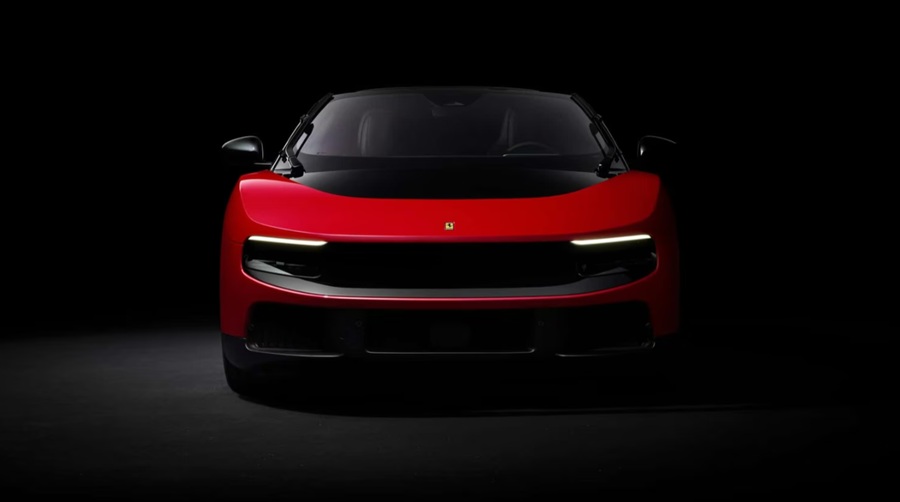
Ferrari has finally entered the fully electric era, and it didn’t do it quietly.
The company’s first all-electric production car is called the Ferrari Luce, and instead of launching as a low, two-door supercar like many fans expected, it arrives as a large, four-door, five-seat electric grand tourer with more than 1,000 horsepower.
That alone was enough to start a massive debate.
For some people, Luce is Ferrari proving that electric performance can still feel emotional, expensive and exclusive. For others, it looks like Ferrari has stepped too far away from what made the brand special in the first place.
And honestly, both sides have a point.
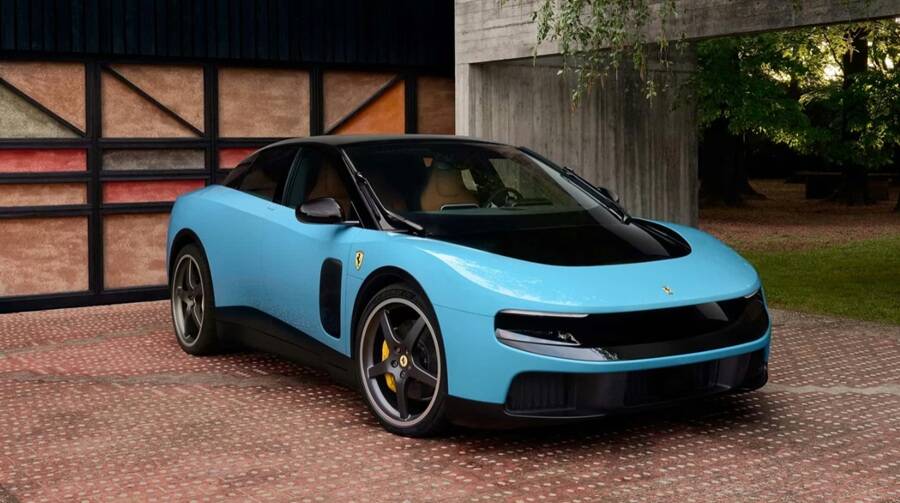
Not the Electric Ferrari Many People Expected
When Ferrari confirmed that its first EV was coming, a lot of fans probably imagined something like an electric 296, SF90 or LaFerrari successor.
A sharp two-seater.
Low roofline.
Wild aerodynamics.
Something that looked like it belonged on a bedroom poster.
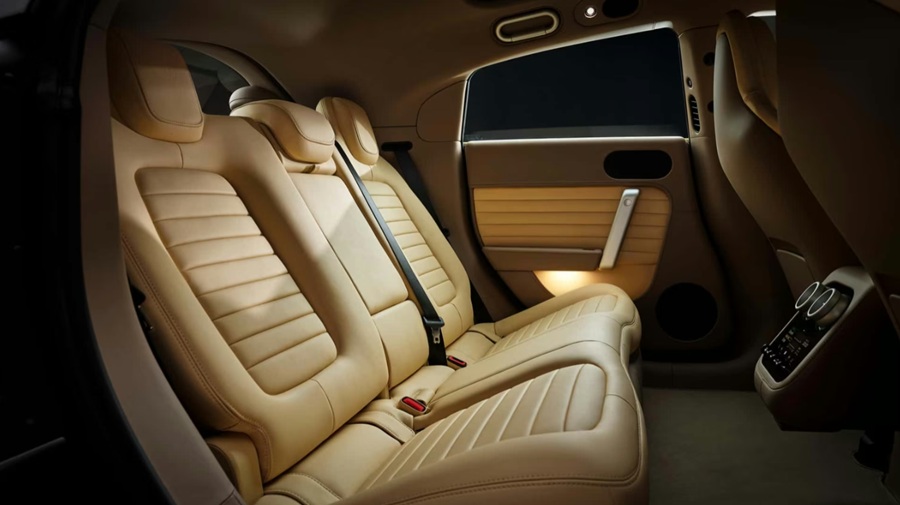
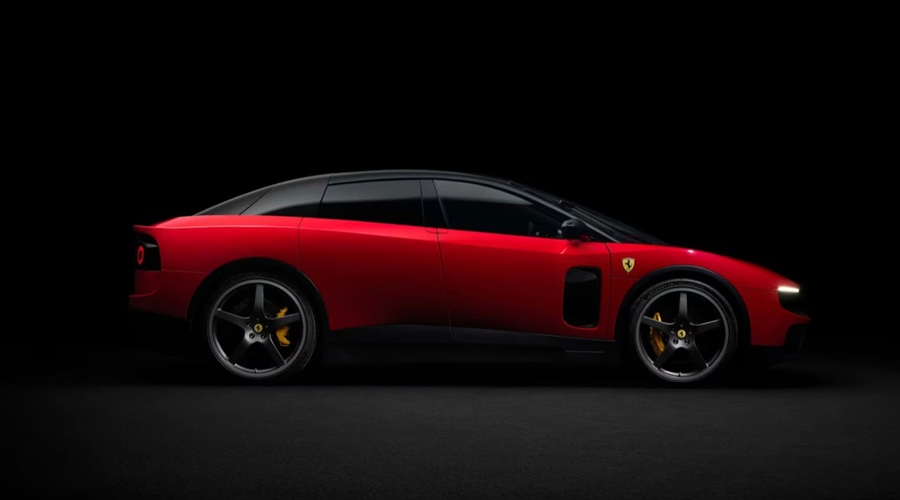
Instead, Ferrari revealed a four-door, five-seat EV with a very different personality. Luce is not trying to be a silent electric version of a classic Ferrari supercar. It is more like a luxury performance EV built around space, technology and long-distance usability.
That’s a bold move, but also a risky one.
Ferrari has always been about emotion: sound, drama, engine response, mechanical theatre. An electric five-seater immediately changes that conversation. You can make an EV brutally fast, sure, but can you make it feel like a Ferrari?
That is the real question.
The Specs Are Serious
Even if the design is dividing people, the technical side is hard to ignore.
Ferrari Luce uses a fully electric platform with four electric motors and all-wheel drive. Power is reported at over 1,000 hp, with acceleration from 0-100 km/h in around 2.5 seconds. The battery capacity is around 122 kWh, and range is expected to be roughly 530 km depending on testing cycle and configuration.
So no, this is not some soft lifestyle EV wearing a Ferrari badge.
It is fast. Very fast.
The car also uses advanced torque vectoring, active suspension and a heavily engineered electric drivetrain. Ferrari says the goal is not just straight-line acceleration, but precision, control and a driving experience worthy of the brand.
Still, numbers alone don’t solve the identity problem.
A Tesla Plaid is fast. A Rimac is fast. A Porsche Taycan Turbo GT is fast. Speed is not rare anymore in the EV world.
Ferrari has to prove Luce is more than just another expensive electric rocket.
The Design Backlash Is Real
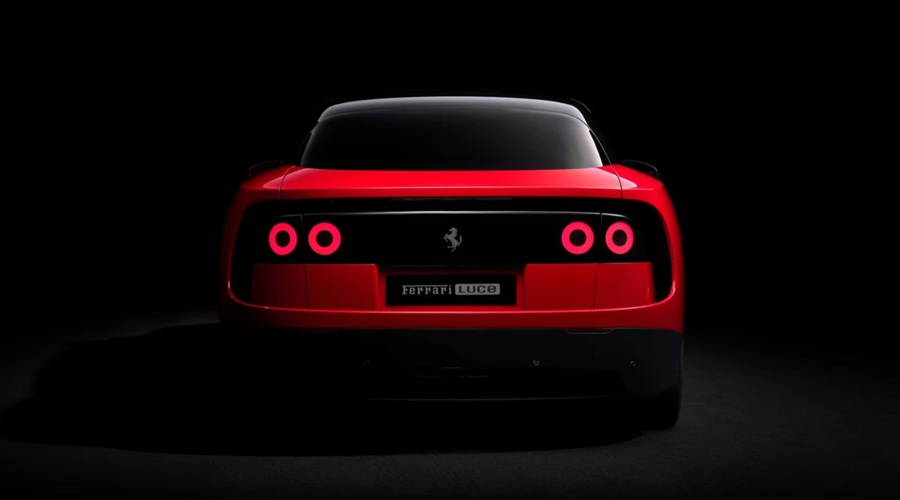
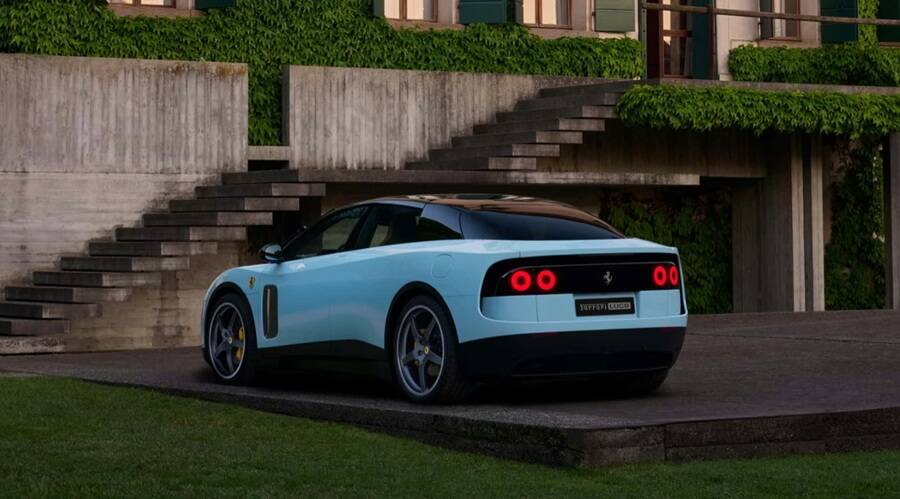
The most controversial part of Luce is clearly the design.
Some people think it looks futuristic and brave. Others say it doesn’t look enough like a Ferrari. A few online reactions have been much harsher, comparing it to regular EVs and even saying it feels too “generic” for such an iconic brand.
That criticism matters because Ferrari is not just selling performance.
Ferrari sells desire.
A Ferrari is supposed to make people stop scrolling. It should look special even before you know the specs. With Luce, Ferrari seems to be intentionally breaking away from the usual supercar silhouette, but that also means it risks losing some of the instant emotional pull fans expect.
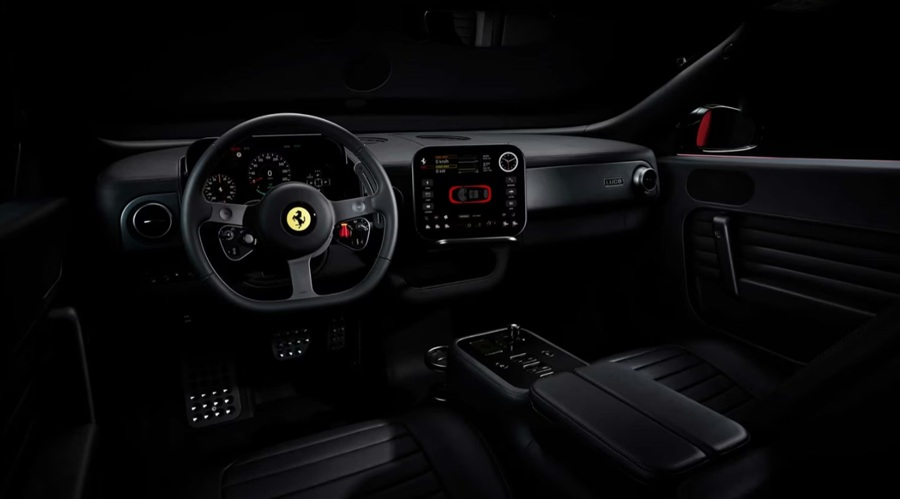
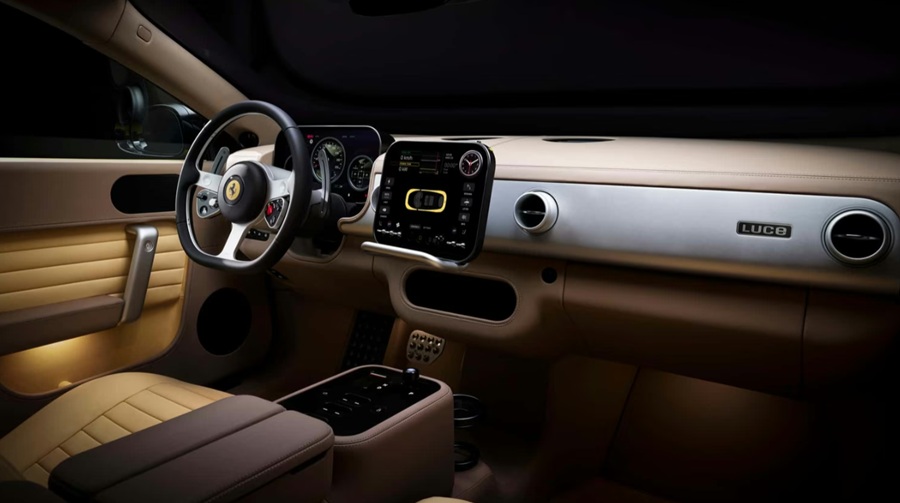
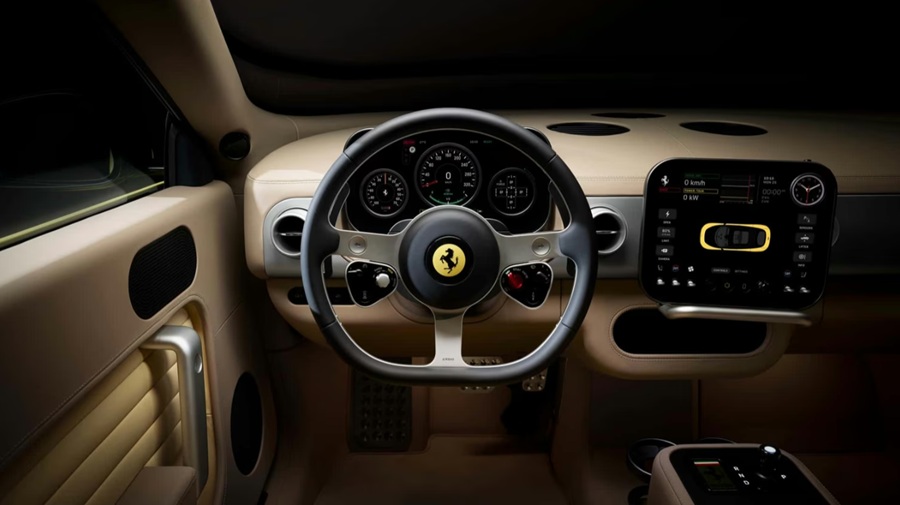
The involvement of Jony Ive’s LoveFrom design group also makes the project even more interesting. The interior and overall design direction appear to lean into a minimalist, high-tech luxury feel rather than the old-school cockpit drama many Ferrari fans love.
That might attract a new kind of buyer.
But it may also annoy the traditional one.
Why Ferrari Made It a Five-Seater
This is probably the smartest part of the decision, even if it sounds strange at first.
An electric Ferrari supercar would have been obvious. Maybe too obvious.
By making Luce a larger five-seat EV, Ferrari can use the strengths of an electric platform more naturally: instant torque, low center of gravity, silent cruising, advanced traction control and more cabin space.
A big electric grand tourer also makes more sense for wealthy customers who already own multiple supercars but want something usable every day.
In that way, Luce is not replacing the V12 Ferrari dream. It is trying to add a new category next to it.
Ferrari’s CEO has also made it clear that the company is not abandoning combustion engines. Luce is supposed to expand the lineup, not kill the brand’s petrol and hybrid models.
That distinction is important.
The Price Is Pure Ferrari
The reported starting price is around €550,000, or roughly $640,000 depending on market and taxes.
That is an absurd amount of money for a car, but this is Ferrari. The company is not trying to compete with Tesla, BYD, Xiaomi or Porsche on value.
Luce is positioned as a rare luxury object.
The problem is that EV buyers are already surrounded by very fast, very advanced electric cars at much lower prices. Ferrari has to justify the premium with craftsmanship, driving feel, exclusivity and brand magic.
If it just feels like a heavy luxury EV with a Ferrari logo, critics will be brutal.
If it genuinely drives like something only Ferrari could build, then the story changes completely.
Ferrari Is Also Thinking About China
There is another angle here: China.
The Chinese EV market is now one of the most advanced and competitive in the world. Brands like BYD, Xiaomi, Nio and Huawei-backed projects have changed what customers expect from electric cars.
For Ferrari, Luce could be a way to reach ultra-rich EV buyers who may not care as much about the old combustion-engine mythology.
That is probably why the design feels less traditional. Ferrari may not be designing Luce only for the 60-year-old collector who misses V12 race cars. It may be targeting a younger luxury buyer who sees technology, silence and futuristic design as part of the appeal.
That makes business sense.
But culturally, it is a dangerous line to walk.
Is Luce Still a Real Ferrari?
This is where the debate gets interesting.
If a Ferrari doesn’t have an engine sound, is it still a Ferrari?
Some fans will say no immediately. For them, the engine is the soul of the car. The sound, vibration, gearshifts and drama are not optional details. They are the whole point.
But Ferrari has changed before.
The brand moved from naturally aspirated engines to turbos. It embraced hybrids. It built the Purosangue, which many people called “not a real Ferrari” until demand proved otherwise.
Now Luce is the next test.
Maybe it will become another controversial model that slowly earns respect. Or maybe it will be remembered as the moment Ferrari tried too hard to chase the EV future.
Right now, it is too early to say.
The Real Risk Is Not Electric Power
The biggest risk is not that Luce is electric.
The biggest risk is that it might not feel emotionally special enough.
Electric power can work in a Ferrari if the car has drama, response, beauty and personality. But if Ferrari removes the engine noise and replaces it with only screens, luxury materials and massive acceleration, then it becomes much harder to separate Luce from every other high-end EV.
Ferrari has to create a new kind of emotion here.
Not fake engine noise.
Not just crazy horsepower.
Not just “look, it’s electric now.”
It needs to feel alive.
That is a much harder challenge than building a fast EV.
Final Thoughts
Ferrari Luce might be one of the most important cars in the company’s modern history.
Not because it is the fastest Ferrari.
Not because it is the prettiest Ferrari.
And definitely not because everyone already loves it.
It matters because it shows Ferrari trying to answer a very uncomfortable question:
Can a brand built on combustion emotion survive in an electric future without becoming just another luxury tech company?
Luce is bold, expensive, controversial and maybe even a little weird.
But that is also why people are talking about it.
If Ferrari gets the driving feel right, Luce could become a turning point. If it doesn’t, it may go down as the most controversial Ferrari ever made.
What do you think — is the Ferrari Luce a brave step forward, or has Ferrari gone too far from its roots?